|
If you have a need for design and drafting
services please give us a call! SEATTLE MONORAILS COLLIDE? A Study in Murphy's Law and Reverse Engineering! |
|
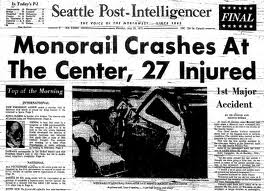
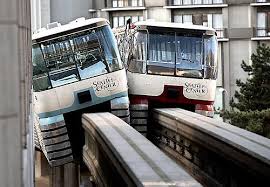
On Saturday November 26, 2005 the Seattle Monorail
cars collided, yes, the monorail cars collided. The story is, when they were
installing the tracks, they allowed them to come together without the
clearance necessary to pass, this was done to allow for the loading ramps to
extend to the outer car. For 40 years they made sure the trains would never
run at the same time. But one driver decided to leave early, and the rest is
history. We as engineering professionals know “It’s all about Murphy’s Law”.
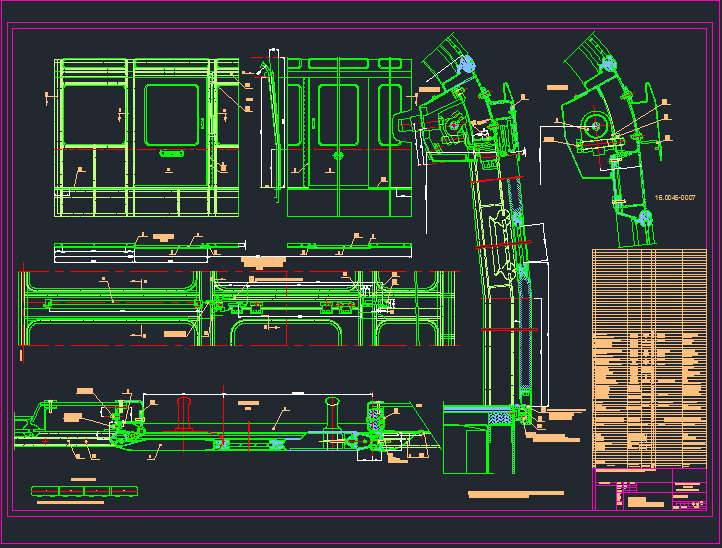
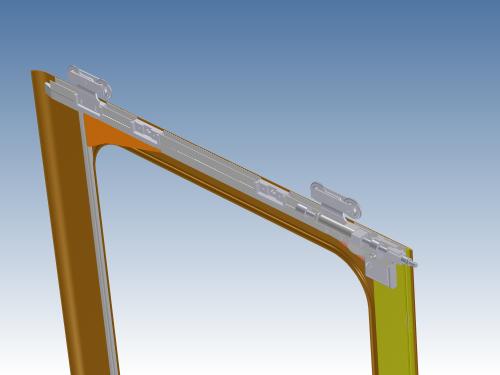
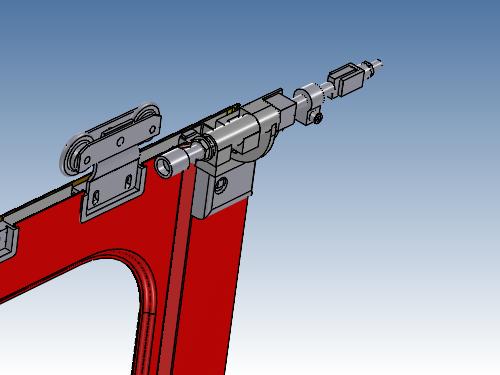
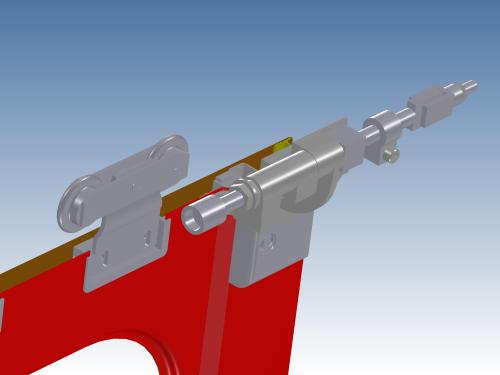
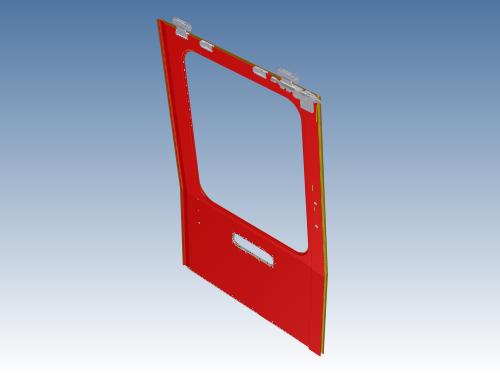
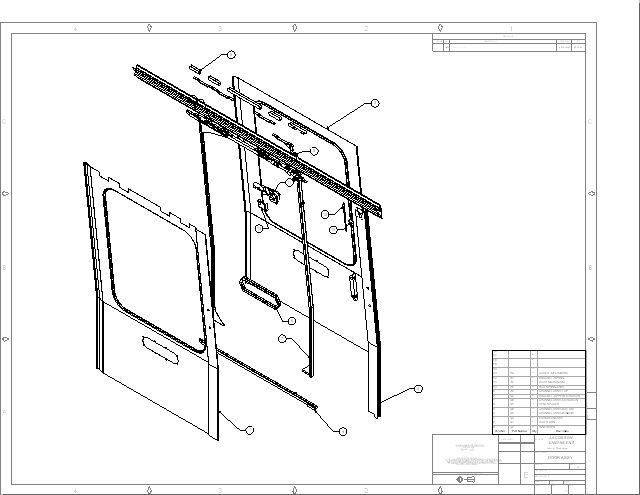
Since we didn’t have the door drawings we also had
to do an extensive physical study of the doors. We disassembled one of the
doors and I took the parts and started to work. There was a complex
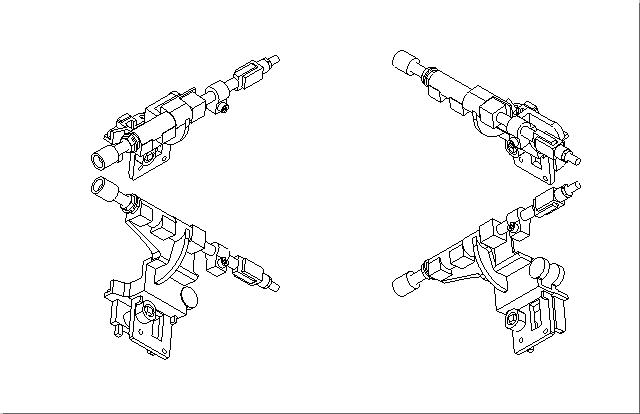
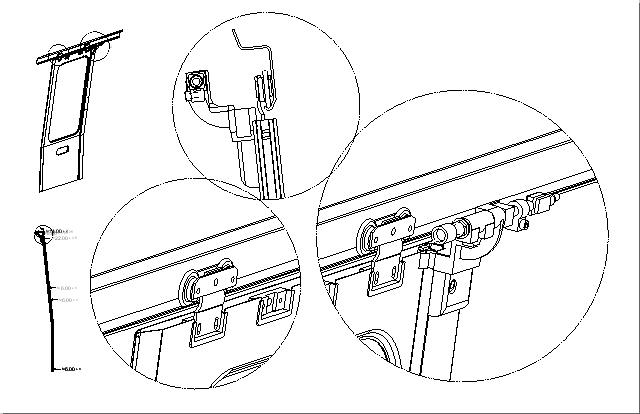
mechanical interface between the doors and the cars. The doors are operated
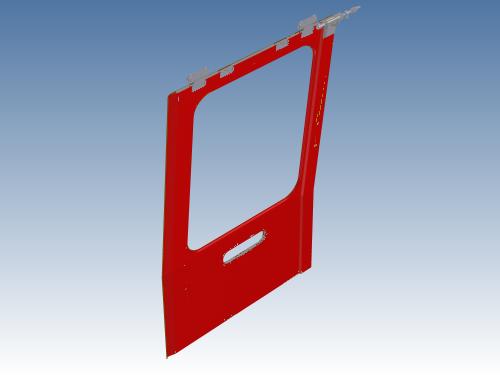
by a pneumatic system. I created most of the components of the door in
IRONCAD to start the mechanical
design. Reverse engineering is basically two steps. First you create the
basic configuration. Then you make sure the parts fit and provide the
functionality and look for ways to enhance the original design, after all it
was designed over 40 years ago. |
 |

|
 |
 |
 |
 |
 |
The Worst to Best CAD System and Why!
Universal CAD Compatibility is "Not" Here!
TECH-NET Engineering Services!
If you are interested in adding professional hybrid modeling capabilities or looking for a new solution to increase your productivity, take some time to download a fully functional 30 day evaluation and play with these packages. Feel free to give me a call if you have any questions or would like an on-line presentation.
Joe Brouwer |
TECH-NET ASSOCIATES | RENDERING OF THE MONTH | CAD•CAM SERVICES
HARDWARE | TECH TIPS | EMPLOYMENT | CONTACT